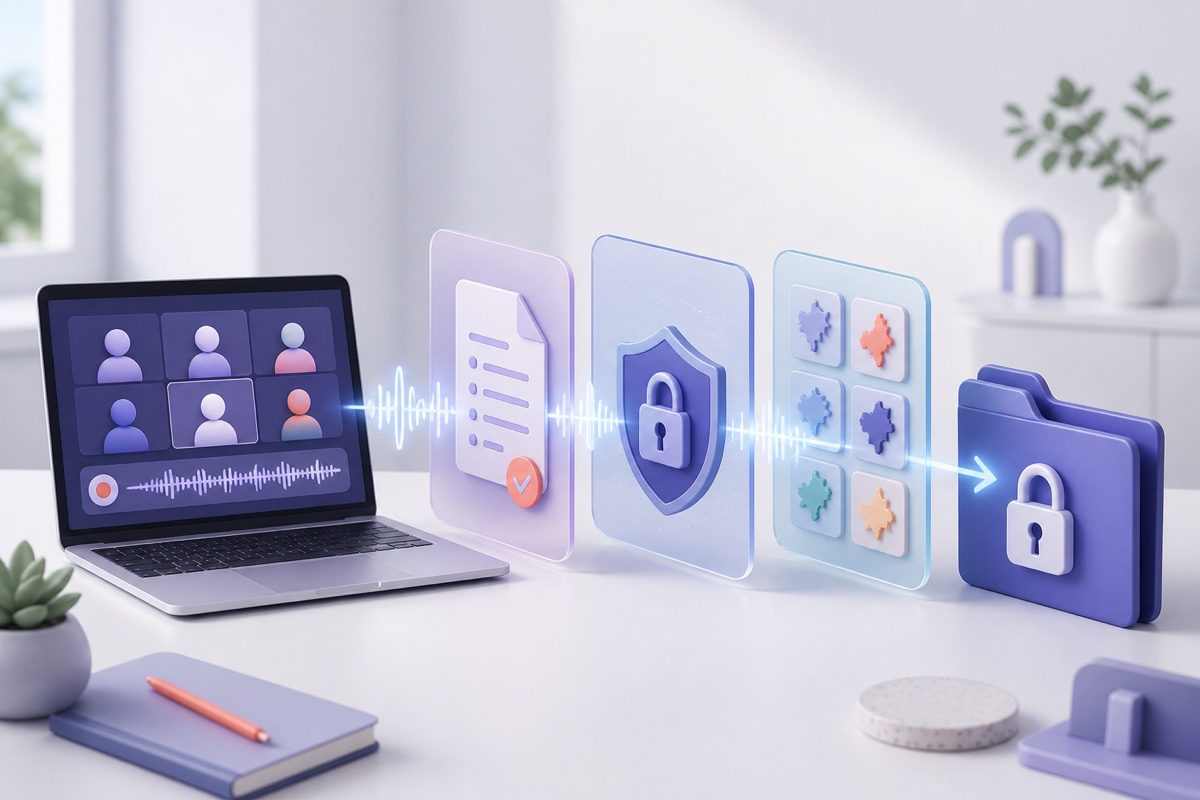

Sending Japanese Meeting Notes to Cloud AI: An APPI Checklist
Review Japanese meeting notes under APPI: purposes, provider reuse, entrusted processing, overseas transfers, local AI, and the status of the 2026 amendments.
Explore a topic
Recording consent, biometric privacy, and AI rules across countries and US states.
21 articles
Newest first
Review Japanese meeting notes under APPI: purposes, provider reuse, entrusted processing, overseas transfers, local AI, and the status of the 2026 amendments.
An Ontario electronic-monitoring policy review for AI meeting notes: employer coverage, required content, delivery deadlines, and a worked workplace example.
A practical German works-council review for AI meeting notes: monitoring capability, recording permission, GDPR legal basis, data flows and pilot boundaries.
A practical review workflow for AI client-meeting notes, informed by the FCA’s October 2026 examples on AI governance, oversight and consumer outcomes.
A practical Quebec Law 25 assessment for meeting notes: necessity, local and cloud data flows, outside-Quebec processing, safeguards, and approval conditions.
Colorado's October 2026 draft AI rules put the focus on how employers use meeting outputs, with important exclusions for administrative summaries.
Taiwan's September 2026 AI impact report raises practical questions about using meeting archives for employee evaluation, monitoring, and promotion decisions.
Australia's automated decision-making privacy-policy requirements start on 10 December 2026. Learn when AI meeting reports may fall within scope.
California's SB 947 and AB 1883 change how employers can use AI outputs and emotion inference. Learn what the 2027 rules mean for meeting notes.
A practical guide to participant-recording and one-party-consent rules in Poland, selected countries, and US states—with GDPR and workplace caveats.
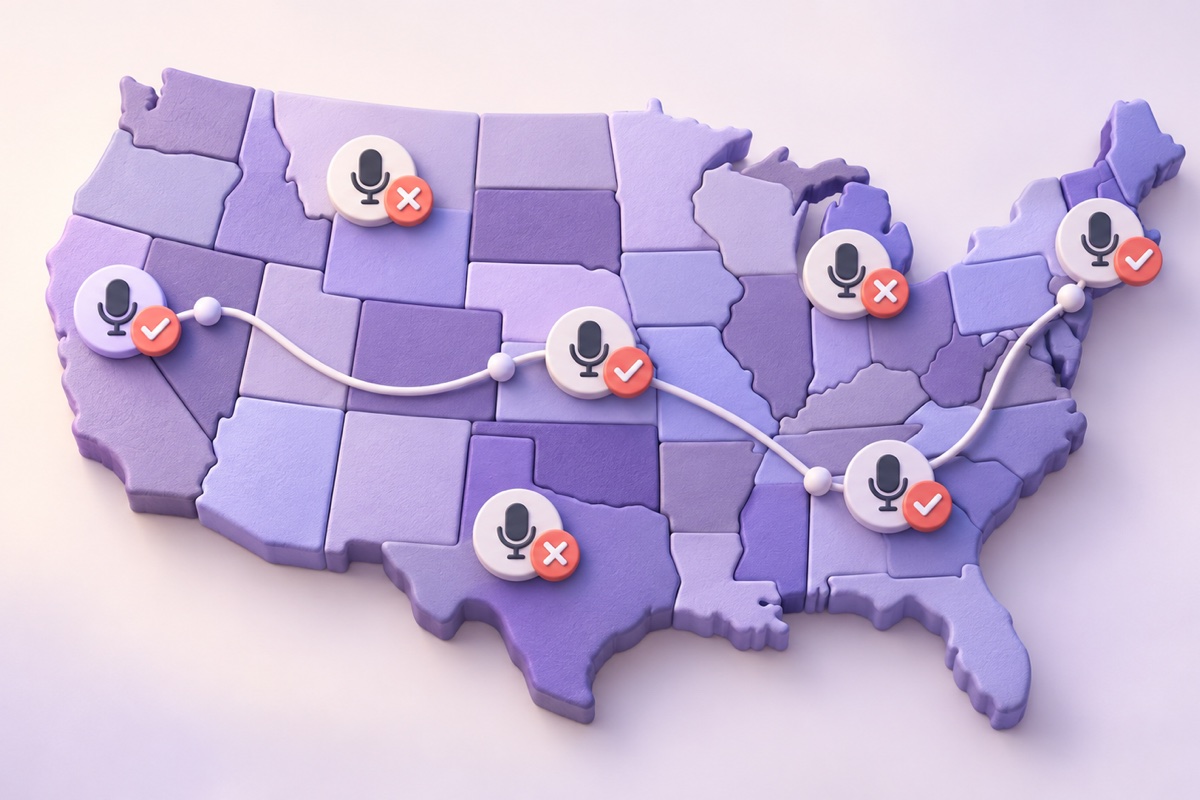
A practical 2026 guide to one-party, all-party, and mixed recording-consent laws across all 50 states and Washington, DC—including interstate meetings.
NARA's 2026 guidance explains when AI transcripts, summaries, prompts, and audit trails become federal records—and when they likely do not.
How GDPR, ePrivacy confidentiality, national recording laws, workplace monitoring, and AI processing interact when meetings are recorded in Europe.
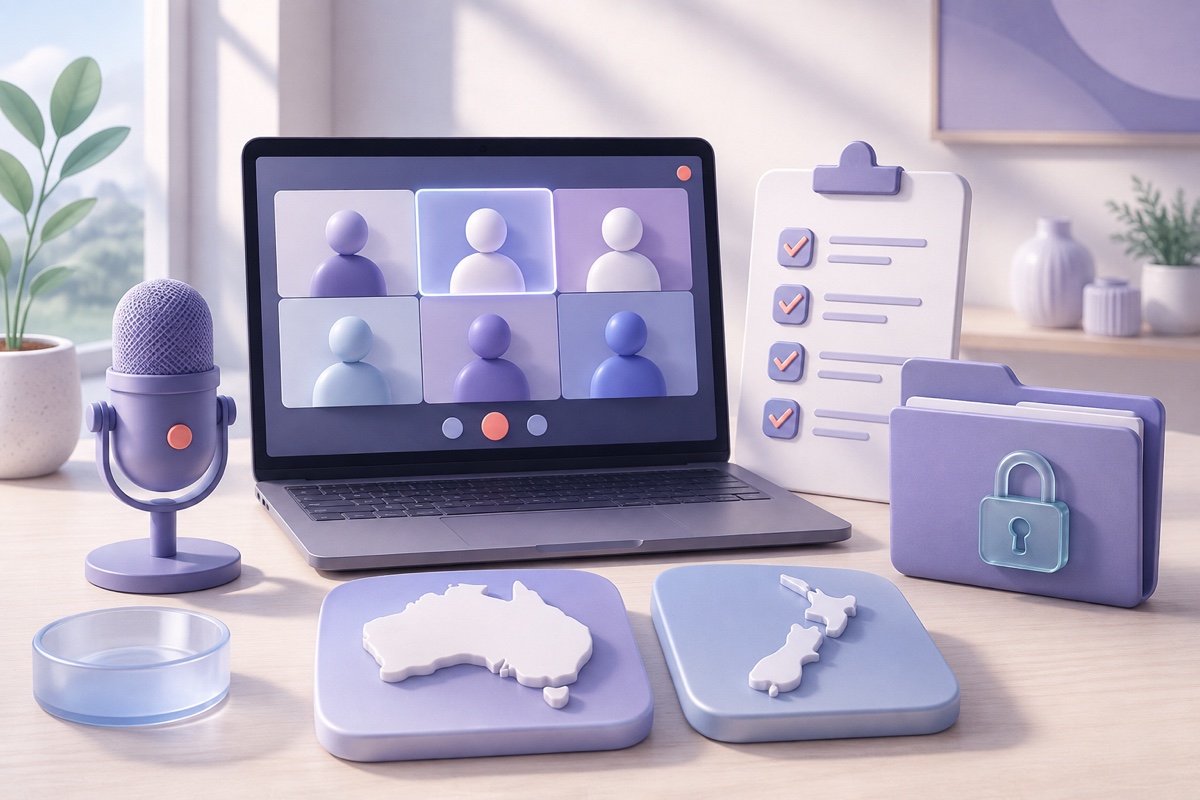
A practical guide to privacy, consent, workplace surveillance, AI processing, retention, and local meeting notes in Australia and New Zealand.
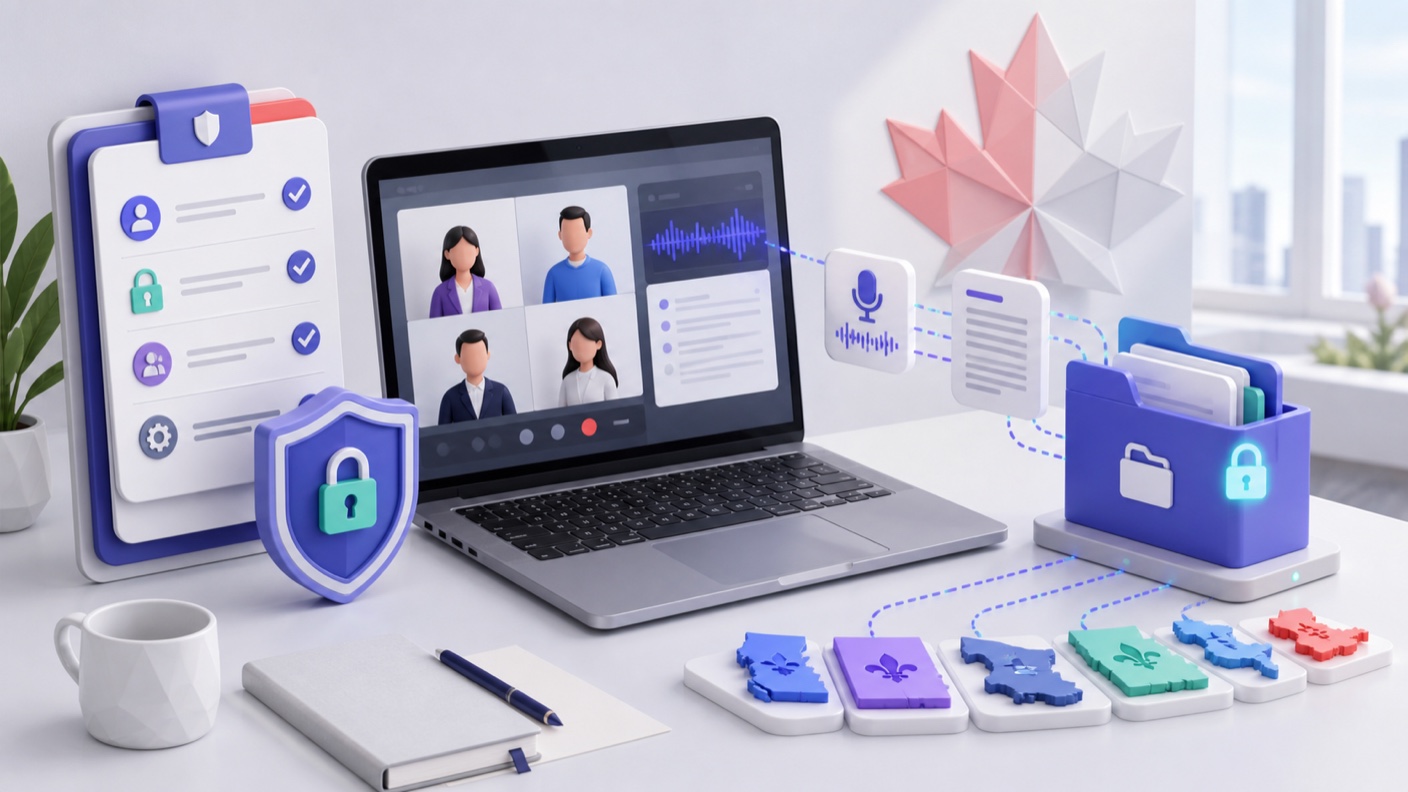
How Canadian privacy laws apply to meeting audio, transcripts, AI summaries, consent, employee data, service providers, accuracy, and retention.
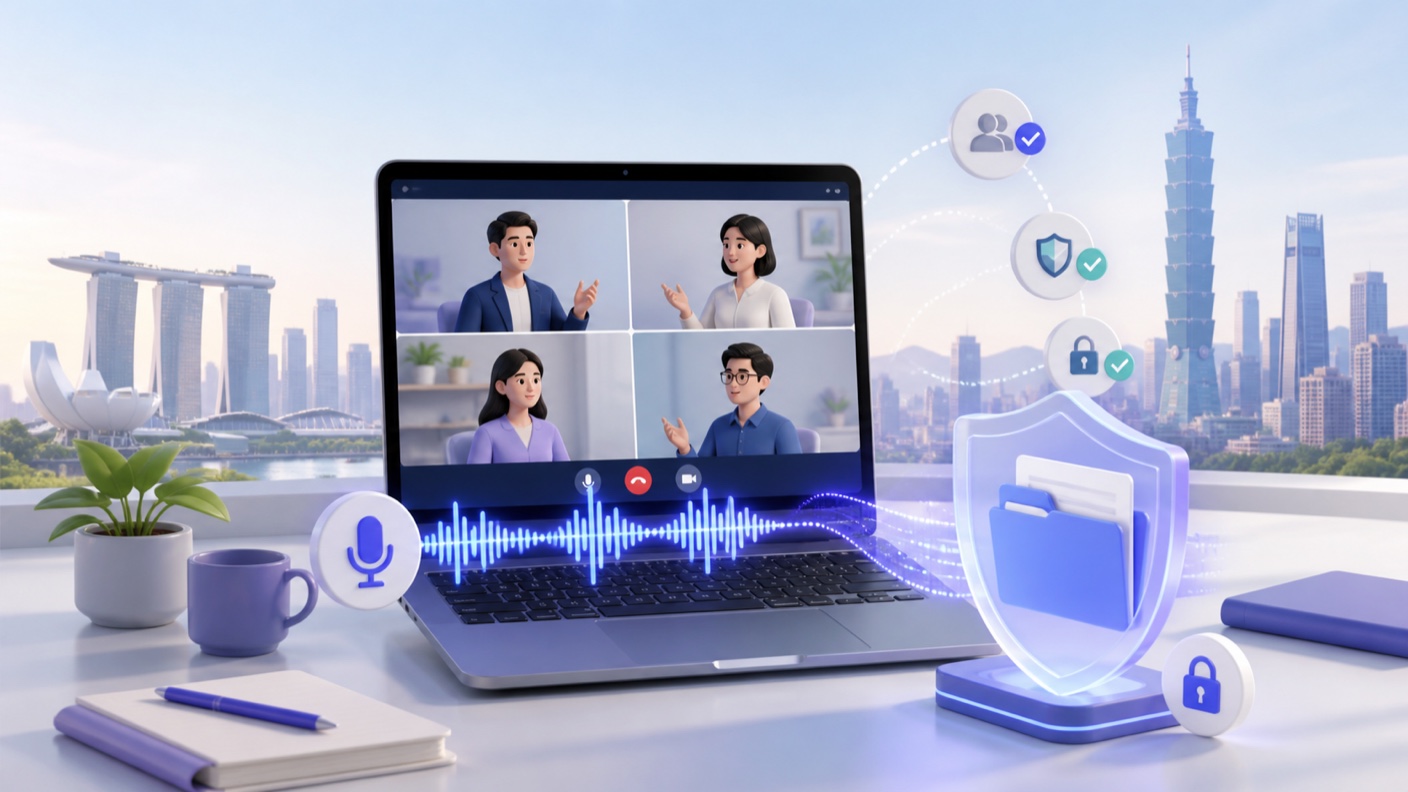
A practical comparison of Singapore's PDPA and Taiwan's PIPA for AI meeting recording, transcription, summaries, vendors, and cross-border data.
When Article 50 requires AI disclosure, when it probably does not, and why meeting-recording notice still matters under European privacy law.
Illinois employers using AI meeting tools may be violating BIPA without realizing it. Employee voices are biometric identifiers under Illinois law. Written consent is required before collection — and the class action exposure is significant.
Federal wiretapping law, state consent requirements, and the rise of AI meeting bots have made workplace voice recording legally complicated. Here's what's actually legal — and where employers cross the line.
GDPR Article 9 puts biometric data in a special category requiring explicit consent. If your cloud meeting tool processes voice for speaker identification, you may already be handling biometric data — and you might not have the right consent.
Illinois, Texas, Washington, New York, California, and the EU all have laws covering voice biometric data. Here's who's covered, what's required, and what the penalties look like — state by state.